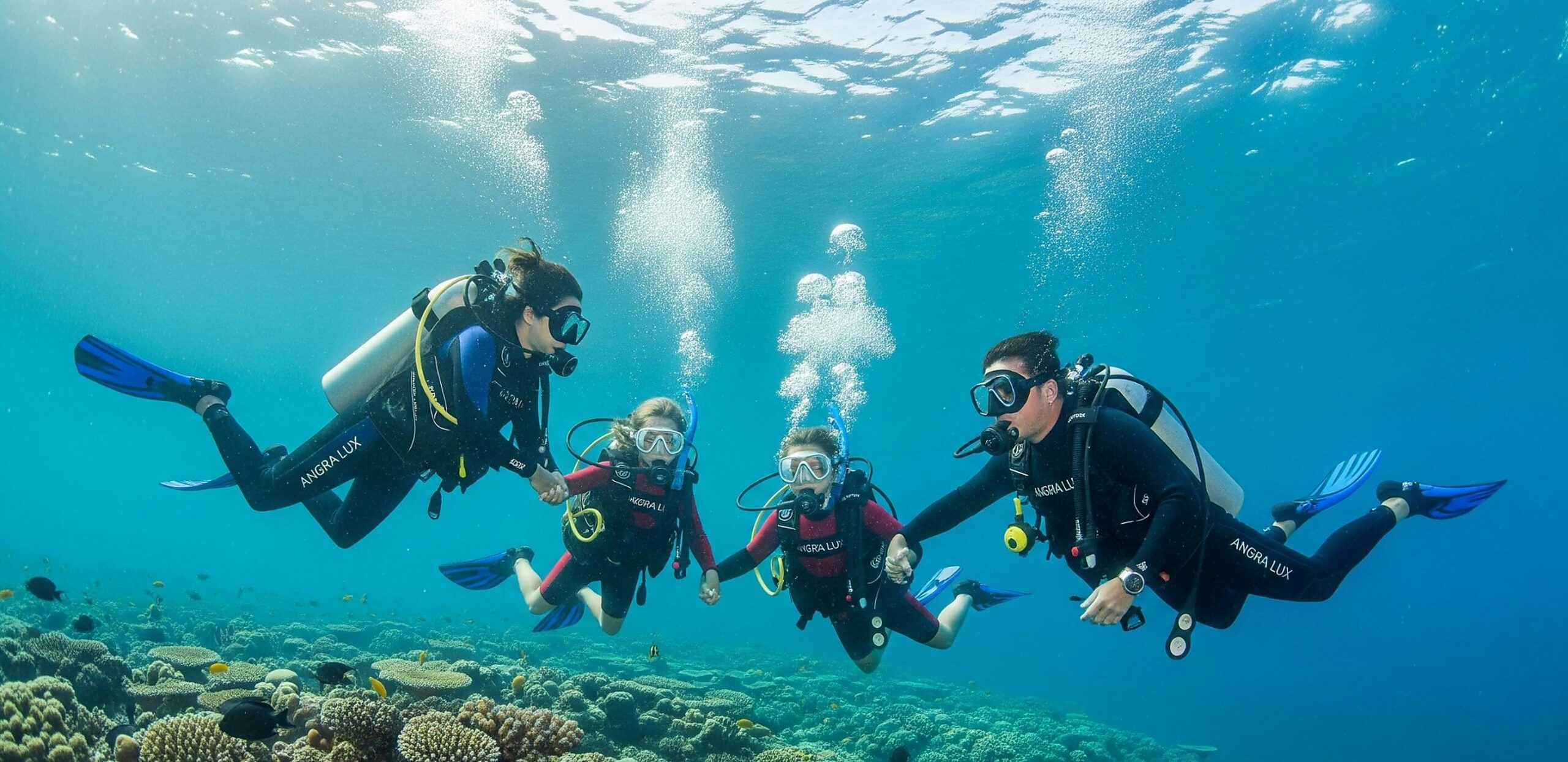
Travel in 2026 is no longer just about sightseeing; instead, it has evolved into a quest for unforgettable, high-adrenaline experiences. More travelers now seek thrilling adventures that push both physical and mental limits, and as a result, bungee jumping and scuba diving have surged in popularity worldwide. These activities offer more than excitement; they provide a sense of freedom, personal achievement, and connection with nature that traditional travel often lacks.
Moreover, the growing influence of social media and digital storytelling has accelerated this trend significantly. Travelers increasingly share their extreme experiences online, inspiring others to step out of their comfort zones. Consequently, destinations across the globe have adapted by offering safer, more accessible, and more innovative adventure options. This shift clearly shows that extreme travel is not just a trend but a defining feature of modern exploration.
Bungee Jumping: Defying Gravity Across Continents
Bungee jumping continues to capture the imagination of thrill-seekers who crave that heart-stopping moment of free fall. In 2026, new locations and advanced safety technologies have made the experience even more appealing. From towering bridges to scenic cliffs, jump sites now combine breathtaking landscapes with carefully engineered systems that ensure both safety and excitement. As a result, more first-time adventurers feel confident trying this daring activity.
At the same time, operators have enhanced the overall experience by incorporating storytelling, photography, and immersive viewing platforms. Travelers no longer just jump; they become part of a complete adventure narrative. Additionally, many destinations now offer personalized packages, allowing visitors to choose jump styles, heights, and even nighttime experiences. This evolution reflects how bungee jumping has transformed into a curated adventure rather than a one-time thrill.
Scuba Diving: Exploring the Depths of Natural Wonders
While bungee jumping takes travelers to great heights, scuba diving offers a journey into the mysterious underwater world. In 2026, advancements in diving equipment and training programs have made scuba diving more accessible than ever before. Beginners can now learn quickly through structured courses, while experienced divers explore deeper and more remote marine environments with improved safety measures.
Furthermore, the appeal of scuba diving lies in its ability to connect people with the ocean’s hidden beauty. Coral reefs, marine life, and underwater landscapes create a sense of wonder that few other activities can match. As environmental awareness grows, many divers also become advocates for ocean conservation. This dual purpose of adventure and responsibility adds a meaningful dimension to the experience, making it both exciting and impactful.
Technology Driving Safer and Smarter Adventures
Technology plays a crucial role in shaping extreme travel trends in 2026. In bungee jumping, modern harness systems, real-time monitoring, and advanced materials have significantly reduced risks. Similarly, scuba diving now benefits from smart dive computers, improved oxygen management systems, and underwater communication devices. These innovations ensure that adventurers can focus on the experience while staying safe.
In addition, virtual reality and simulation tools allow travelers to preview their adventures before they even arrive at the destination. This preparation builds confidence, especially for beginners who may feel nervous about trying extreme activities. As a result, more people are willing to participate, expanding the global community of adventure travelers. Clearly, technology has become a driving force behind the growth and accessibility of these experiences.
Sustainable Practices in Extreme Tourism
As extreme travel grows, sustainability has become a key focus for both operators and travelers. In 2026, many bungee jumping sites prioritize eco-friendly construction and minimal environmental impact. Platforms and equipment are designed to blend with natural surroundings, ensuring that the beauty of the location remains intact. This approach not only protects the environment but also enhances the overall experience for visitors.
Similarly, scuba diving has embraced sustainability through responsible tourism practices. Divers are encouraged to follow strict guidelines that protect marine ecosystems, such as avoiding contact with coral reefs and minimizing waste. Many organizations also offer eco-diving programs that combine adventure with conservation efforts. Consequently, travelers can enjoy their experiences while contributing to the preservation of natural resources.
The Role of Personal Growth and Mental Resilience
Extreme travel is not just about physical excitement; it also plays a significant role in personal development. Bungee jumping, for example, requires individuals to overcome fear and trust the process. That moment of stepping off the edge often leads to a powerful sense of achievement and confidence. As a result, many travelers view these experiences as milestones in their personal journeys.
Scuba diving, on the other hand, fosters patience, focus, and mindfulness. Being underwater requires calm breathing and careful attention to surroundings, which can have a meditative effect. Additionally, the sense of isolation and connection with nature encourages self-reflection. Together, these activities offer a unique combination of thrill and introspection, making them valuable for both mental and emotional growth.
Global Destinations Leading the Trend
In 2026, several destinations have emerged as leaders in extreme travel experiences. Regions known for dramatic landscapes and rich marine biodiversity attract adventurers from around the world. These locations invest heavily in infrastructure, training, and safety standards, ensuring that visitors receive high-quality experiences. As a result, they continue to set benchmarks for the industry.
At the same time, lesser-known destinations are gaining attention by offering unique and less crowded experiences. Travelers increasingly seek authenticity and exclusivity, which smaller locations can provide. This shift not only diversifies the market but also supports local economies. Consequently, extreme travel is spreading beyond traditional hotspots, creating opportunities for new destinations to shine.
The Future of Adventure Travel
Looking ahead, the future of extreme travel appears even more dynamic and inclusive. Innovations in equipment, training, and accessibility will likely attract a broader audience, including older travelers and those with limited experience. As a result, bungee jumping and scuba diving will continue to evolve, offering new ways to experience thrill and exploration.
Ultimately, the growing demand for meaningful and memorable experiences will drive the industry forward. Travelers in 2026 are not just looking for excitement; they seek connection, growth, and a deeper understanding of the world. By combining adventure with safety, sustainability, and personal development, extreme travel continues to redefine what it means to explore. This ongoing evolution ensures long-term success and keeps the spirit of adventure alive for generations to come.