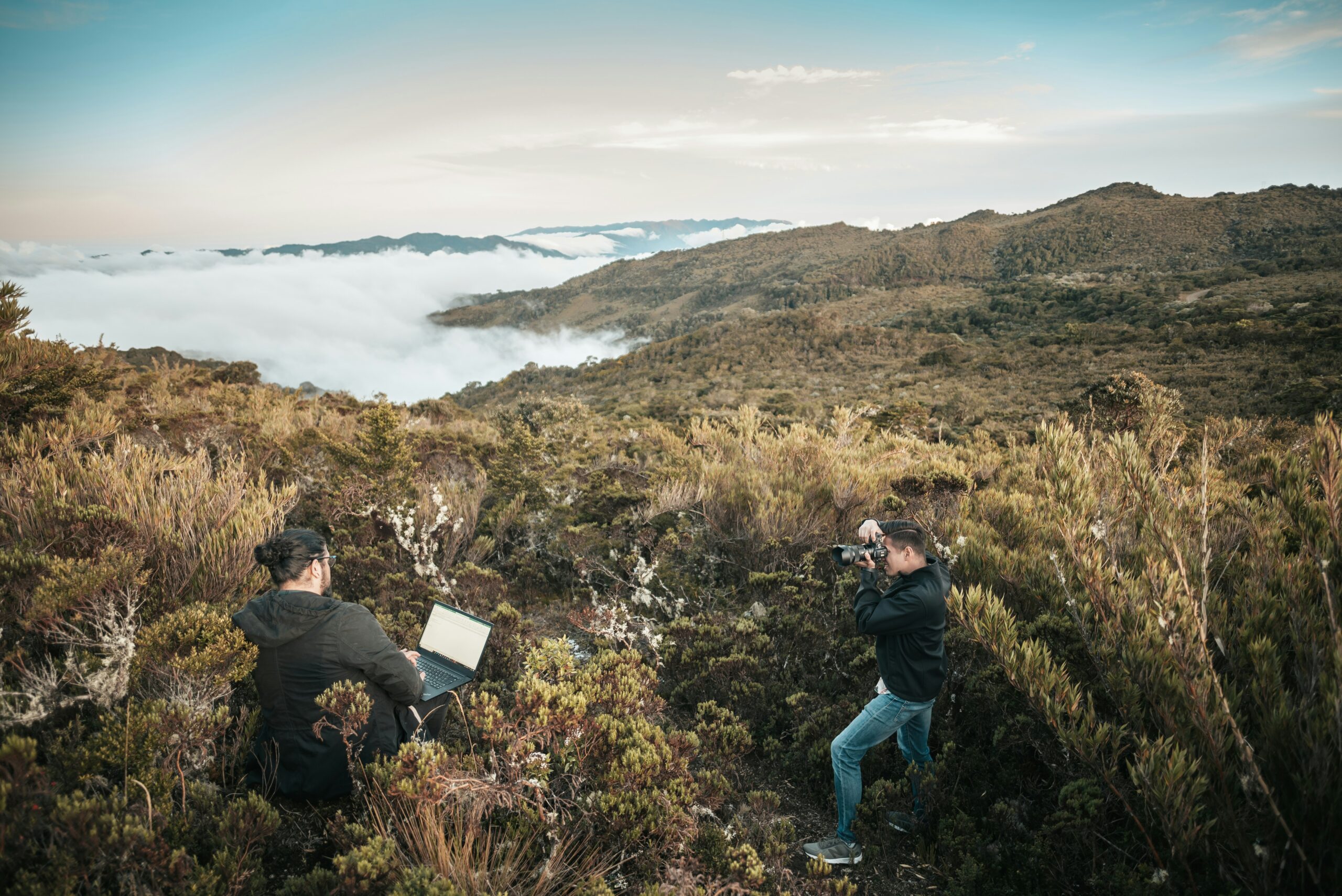
Outdoor adventures offer a welcome escape from screens, offices, and busy schedules. At first, technology and nature may seem like complete opposites. However, modern IT expertise can make time outdoors safer, easier, and more exciting. From navigation apps to weather tools, digital skills now support hikers, campers, cyclists, climbers, and other adventure lovers.
People with strong IT skills often know how to solve problems quickly. They understand systems, analyze information, and adapt when something changes. Interestingly, these same abilities work well in the outdoors. A difficult trail, sudden weather change, or navigation problem often requires clear thinking and smart decisions.
Outdoor adventures also give technology professionals something valuable in return. They create space to recharge, stay active, explore new places, and develop practical skills away from the workplace. Therefore, combining IT expertise with a passion for nature can create a balanced and rewarding lifestyle.
How Technology Supports Outdoor Adventures
Technology has changed the way people prepare for outdoor activities. Before leaving home, travelers can study routes, check weather forecasts, research trail conditions, and learn about possible hazards. As a result, they can make better choices before the adventure even begins.
GPS devices and navigation apps have become especially useful. They can help hikers understand their location and follow planned routes. In addition, many tools allow users to save maps for offline use. This feature can become valuable when a trail passes through an area with weak cellular service.
Weather apps also help outdoor enthusiasts prepare for changing conditions. Mountain weather, for example, can shift quickly. Therefore, checking reliable forecasts before and during a trip may help people avoid unnecessary risks.
Smartwatches and fitness trackers add another useful layer. They can record distance, pace, elevation, heart rate, and other activity information. Consequently, adventurers can better understand their performance and manage their energy throughout a demanding trip.
IT Skills Create Smarter Adventure Planning
Successful outdoor adventures usually start long before anyone reaches the trail. Planning matters, and people with IT expertise often approach planning in a structured way.
For instance, an IT professional may compare several sources before choosing a route. They may review digital maps, weather information, travel times, and local guidance. Then, they can organize the information and create a practical plan.
Problem-solving skills also make a difference. Technology professionals regularly deal with unexpected errors and changing situations. Similarly, outdoor activities rarely go exactly as planned. A trail may close, weather may change, or equipment may stop working. Because of this, the ability to stay calm and consider alternatives becomes extremely useful.
Data can also improve preparation. Someone planning a long hike may review previous walking distances or fitness records. Therefore, they can choose a route that matches their current ability instead of selecting one based only on excitement.
This thoughtful approach makes outdoor adventures more enjoyable because good preparation leaves more time to appreciate the experience.
Digital Tools Can Improve Outdoor Safety
Safety should remain a priority during every outdoor experience. Fortunately, technology can support safer decisions when people use it wisely.
Digital maps can help travelers recognize important landmarks and understand the surrounding terrain. Meanwhile, location sharing tools can help trusted contacts know where someone plans to travel. Emergency communication devices may also provide another option in remote areas.
However, technology should support outdoor knowledge rather than replace it. Batteries can run out, devices can break, and signals can disappear. Therefore, experienced adventurers often prepare backup options and learn basic navigation skills.
IT expertise encourages this type of thinking. Technology professionals understand that systems can fail. As a result, they often think about backup plans, stored information, battery management, and alternative communication methods.
Cybersecurity awareness can matter as well. Travelers may connect to public networks at airports, hotels, campgrounds, or visitor centers. Consequently, careful handling of personal accounts and sensitive information remains important even during a vacation.
Nature Offers Valuable Benefits for IT Professionals
While IT expertise can improve outdoor adventures, nature can also benefit people who spend much of their working life around technology.
Many technology jobs require long periods of concentration and screen time. Outdoor activities provide a different environment. Walking through a forest, kayaking across a lake, or cycling through the countryside gives the mind a chance to focus on immediate surroundings.
Furthermore, outdoor activities encourage physical movement. Hiking, climbing, paddling, and skiing can challenge the body while also making exercise feel more engaging. Because each activity offers a different experience, people can choose adventures that match their interests and fitness levels.
Nature can also inspire creative thinking. IT professionals often solve complex problems, develop new ideas, and make important decisions. A change of environment may help them return to work with a clearer perspective.
Outdoor adventures can strengthen patience and confidence too. Reaching a difficult viewpoint or completing a challenging trail requires steady effort. Likewise, solving a complicated technical problem often demands persistence. These shared qualities create a natural connection between technology skills and outdoor experiences.
Finding the Right Balance Between Tech and Nature
Technology adds value to outdoor adventures, but balance remains important. The goal should not be to turn every outdoor moment into another digital experience. Instead, technology should handle useful tasks while leaving room to enjoy nature.
For example, a phone can provide navigation when necessary. However, it does not need constant attention during the entire trip. Similarly, a smartwatch can record activity without distracting someone from the landscape around them.
Adventurers can decide in advance which technology they truly need. Navigation, weather information, emergency communication, and photography may offer clear value. On the other hand, constant notifications and work messages can reduce the sense of escape that makes outdoor experiences special.
Therefore, smart technology use means knowing when to rely on a device and when to put it away.
IT professionals may find this balance especially meaningful. Their careers often depend on staying connected. Outdoor adventures provide an opportunity to use technology with purpose rather than habit.
Building a More Connected Adventure Lifestyle
Outdoor adventures and IT expertise can complement each other in surprising ways. Digital knowledge helps people plan routes, understand information, manage equipment, and prepare for unexpected situations. At the same time, outdoor experiences encourage movement, curiosity, patience, and practical problem-solving.
Technology will continue to shape the way people explore the outdoors. Navigation tools will become more useful, wearable devices will provide deeper insights, and communication technology will continue to support travelers in remote places. Still, the heart of adventure will remain the same. People will continue seeking fresh air, challenging experiences, beautiful landscapes, and memorable moments.
The best approach combines both worlds thoughtfully. Use IT expertise to prepare carefully and make informed choices. Then, allow outdoor adventures to provide the freedom, discovery, and connection with nature that technology alone cannot offer.
When digital skills support rather than dominate the experience, technology and nature can work together beautifully. This balance allows modern adventurers to explore with greater confidence while still enjoying the simple thrill of stepping outside and discovering what comes next.