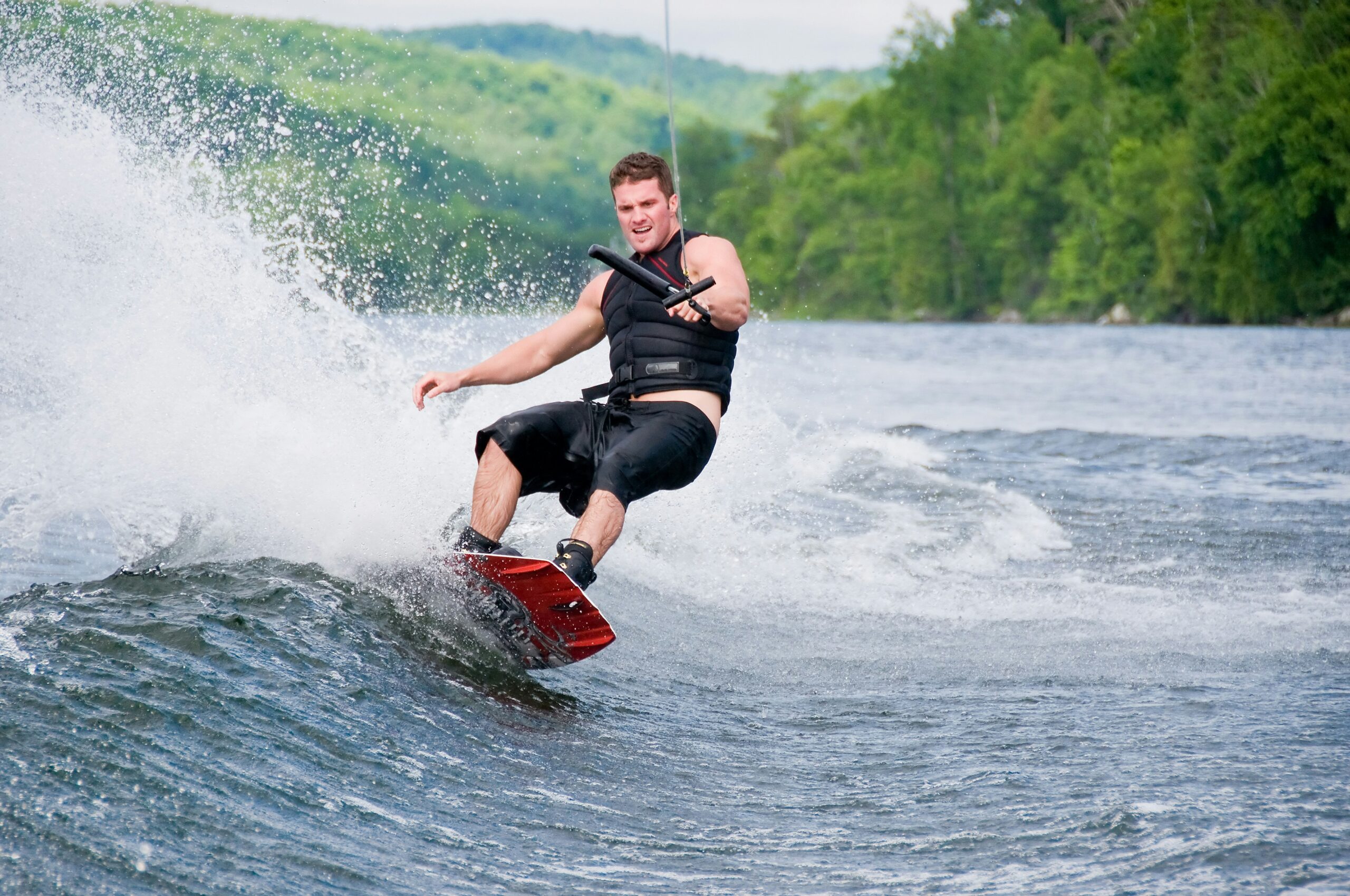
Water Skiing Adventures offer families and friends an exciting way to leave everyday routines behind and enjoy meaningful time outdoors. A boat, an open stretch of water, and a group of people ready for fun can turn a normal summer day into an experience everyone remembers. Water skiing adds energy and challenge, while boating gives the group time to relax, talk, swim, explore, and enjoy beautiful surroundings. Moreover, people do not need to be skilled athletes to take part. Beginners can learn at a comfortable pace, while experienced skiers can enjoy longer runs and improve their technique. Because the day can include both active and relaxing moments, these adventures work well for groups with different interests. With good preparation, clear communication, and safe habits, families and friends can enjoy an outdoor experience that strengthens relationships while creating lasting memories.
Why Water Skiing Adventures Are Great for Groups
Water Skiing Adventures naturally bring people together because everyone can take part. While one person skis, another person can operate the boat, and someone else can serve as an observer. Meanwhile, other passengers can encourage the skier and enjoy the ride. Therefore, the activity fosters a team environment rather than focusing solely on one person. Each successful start, smooth turn, and funny fall can become a shared moment that adds energy to the day.
In addition, boating gives groups enough flexibility to match different interests. Some people may want to ski for hours, while others may prefer swimming, taking photos, or relaxing in the sun. Families can also include breaks for meals and quiet cruising. As a result, nobody needs to follow the same activity schedule. This balance makes boating and water skiing appealing to groups with different ages, abilities, and energy levels.
Choosing the Right Location for the Adventure
The destination can shape the entire experience, so choosing the right waterway deserves careful thought. Calm lakes often work well for family trips because they can provide smoother water and easier conditions for beginners. However, larger waterways may offer more space for experienced skiers. Before leaving home, check whether the destination allows water skiing and whether any special rules apply.
Additionally, consider practical needs such as boat launches, parking, restrooms, fuel access, and nearby food options. A convenient destination can reduce stress before and after the trip. Families with children may also prefer areas with easy access to the shoreline and places to rest. Therefore, researching the location before departure can help the group spend more time having fun and less time solving avoidable problems.
Preparing the Boat Before Leaving the Dock
A good boating adventure starts with a reliable boat. Before departure, check the engine, battery, steering, lights, fuel supply, and other important systems. Also, inspect the tow point to ensure it can support water-skiing equipment. These simple checks can reveal small problems before they interrupt the day. Furthermore, a well-maintained boat gives the driver more confidence while towing a skier.
The boat should also remain organized. Keep ropes, bags, towels, food, and other supplies in secure areas where they will not pose a tripping hazard. Likewise, place emergency equipment where adults can reach it quickly. An organized boat feels more comfortable, especially when several family members or friends travel together. Therefore, a few minutes of preparation can make the entire trip smoother.
Bringing the Right Water Skiing Equipment
Choosing suitable equipment can make water skiing more enjoyable, especially for beginners. Wider combination skis often provide more stability and can help new skiers learn the starting position. Meanwhile, experienced participants may prefer equipment that supports faster movement and sharper turns. Regardless of skill level, the bindings should fit comfortably and hold the feet securely.
The tow rope also deserves careful attention. Before every trip, check it for fraying, cuts, or weak areas. In addition, inspect the handle and connection points. Damaged equipment can pose unnecessary risks, so replace questionable items before use. When families maintain their gear carefully, they create better conditions for both learning and having fun.
Making Safety a Shared Responsibility
Safety should never belong only to the boat operator. Instead, everyone can help create a safer environment. Each passenger should have access to a properly fitted life jacket, while skiers should wear flotation equipment designed for active water sports. Parents should also make sure children use equipment that matches their size and weight.
Furthermore, the group should discuss basic safety expectations before leaving the dock. Everyone should know where the first aid kit, communication equipment, and other emergency supplies are located. The driver should explain where passengers can safely sit while the boat moves. As a result, people will know what to do before an unexpected situation occurs.
Helping Beginners Learn Water Skiing
Learning to water-ski can be one of the most memorable parts of a family boating trip. However, beginners need patience and encouragement. They should start with the knees bent, the skis positioned in front, and both hands holding the tow rope. Then, as the boat begins to pull, they should let it lift them rather than trying to stand immediately.
Beginners will probably fall, and that is a normal part of learning. Therefore, family members and friends should keep the experience positive. Rather than focusing on mistakes, celebrate small improvements. A skier who stays upright for only a short distance has still made progress. Over time, supportive coaching can build confidence and make the person excited to try again.
Using Clear Communication on the Water
Good communication helps boating and water skiing activities run smoothly. Before the first skiing session, review simple hand signals for slowing down, speeding up, stopping, and returning to the boat. The skier, driver, and observer should all understand the same signals. Consequently, everyone can respond quickly without shouting over the engine or wind.
A dedicated observer plays an especially useful role. While the driver watches the water ahead, the observer can focus on the skier. If the skier falls or signals, the observer can immediately inform the driver. This teamwork improves safety while also helping the skier feel supported. Moreover, sharing responsibilities allows more family members and friends to participate directly in the adventure.