Adventure travelers often seek experiences that move beyond ordinary sightseeing and create lasting memories. Bungee jumping and scuba diving offer two very different ways to explore that goal, combining excitement, skill, preparation, and a strong connection with the surrounding environment.
Together, these memorable experiences can add variety to a trip while encouraging travelers to step outside familiar routines. However, both activities require thoughtful preparation, reliable equipment, trained professionals, and careful attention to safety.
Understanding What Makes Bungee Jumping So Exciting
Bungee jumping creates a powerful sense of excitement by combining height, movement, and anticipation. Participants typically stand on a platform above a suitable drop before making a controlled jump with a specially designed elastic cord attached to a secure harness or other approved equipment. The brief free-fall sensation creates an intense rush, followed by the cord’s controlled rebound.
However, the quality of a bungee jumping experience depends heavily on the operator and location. Travelers should research established providers, inspect available safety information, and understand the requirements before booking. Furthermore, participants should follow all instructions from trained staff and disclose relevant physical limitations when asked.
Exploring Different Locations Through Bungee Jumping Adventures
One reason bungee jumping appeals to adventure travelers is the wide range of settings available for the activity. Some locations feature bridges above rivers or valleys, while others use specially constructed platforms surrounded by dramatic natural scenery.
Location also influences the atmosphere of the jump. A mountain setting can provide expansive views, while a bridge over a river can create a very different visual experience. Before traveling, visitors should check the operator’s location details, operating season, age and weight requirements, and weather policies. In addition, they should allow enough time in their itinerary for possible delays.
Preparing Properly Before Your First Bungee Jump
Preparation can make a major difference when trying bungee jumping for the first time. Travelers should begin by choosing a reputable operator with trained staff and appropriate safety procedures. They should also review participation requirements before arriving. Comfortable clothing and suitable footwear can help participants move easily during preparation.
Mental preparation matters as well. Feeling nervous before a first jump is common, particularly when standing at a significant height. Rather than rushing, participants can listen carefully to staff instructions and focus on each step of the process. Breathing slowly may also help reduce tension before the jump. Most importantly, travelers should communicate with staff if they feel uncertain about any instruction or equipment.
Learning Essential Skills Before Exploring Beneath Water
Training is an important part of safe scuba diving. New divers typically learn basic equipment use, breathing techniques, buoyancy control, communication signals, and emergency procedures before entering open water. These skills help divers respond calmly and understand how to move through an underwater environment.
Travelers should also understand that diving ability develops through practice. A person who completes introductory training may still need additional experience before attempting deeper or more demanding dives. Local conditions can also differ significantly between destinations.
Discovering Underwater Worlds Through Scuba Diving
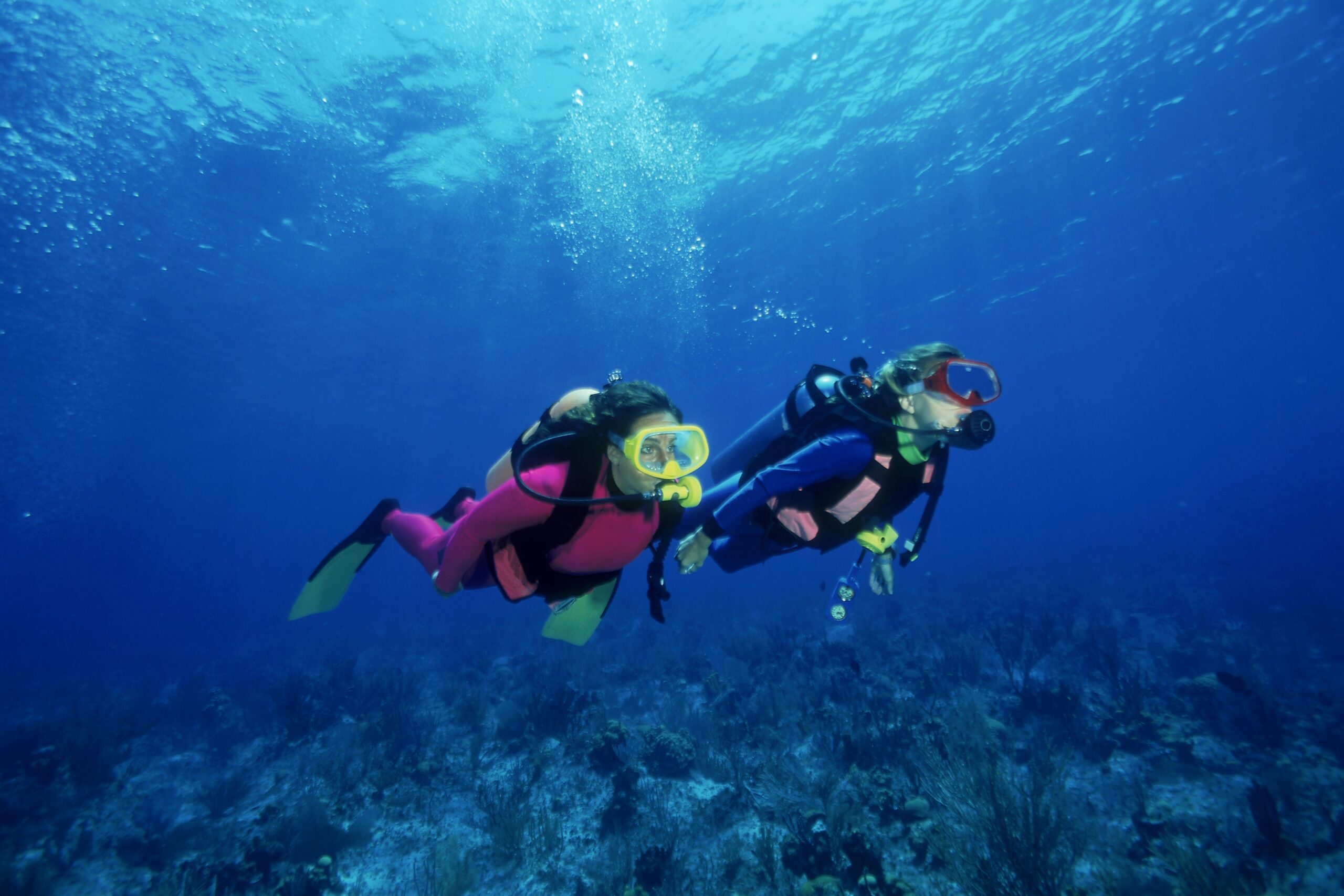
Scuba diving offers a completely different form of adventure by allowing travelers to explore underwater environments for extended periods. With suitable training and equipment, divers can observe coral formations, fish, rock structures, reefs, and other marine environments that remain hidden from people on land.
Each dive site can offer a different environment. Tropical reefs may feature colorful marine life, while colder waters can provide kelp forests, rocky formations, or other unique ecosystems. Visibility, water temperature, currents, depth, and local marine conditions can all influence the experience.
Comparing The Thrills Of Airborne And Underwater Exploration
Bungee jumping and scuba diving create excitement in very different ways. Bungee jumping focuses on height, speed, anticipation, and a short period of intense physical sensation. Scuba diving, meanwhile, emphasizes underwater movement, discovery, marine environments, and sustained exploration. Because of these differences, travelers can choose an activity based on the type of experience they want from their trip.
Bungee jumping introduces participants to dramatic landscapes from an elevated viewpoint, while scuba diving provides access to an entirely different ecosystem below the surface. Moreover, both experiences require travelers to respect established procedures. Equipment checks, professional guidance, weather awareness, and personal preparation all contribute to a more organized experience.
Making Safety A Central Part Of Adventure Travel
Safety should remain central whenever travelers participate in high-energy outdoor activities. Before booking, visitors should research the operator, understand participation requirements, and review available safety information. They should also check whether the activity has weather-related restrictions or other conditions that could affect operations.
For scuba diving, travelers should pay close attention to training requirements, equipment condition, depth limits, and local water conditions. Likewise, bungee jump participants should follow all instructions concerning harnesses, positioning, and jumping procedures. Travel insurance may also be worth reviewing, particularly because some policies treat adventure activities differently from standard tourism.
Creating Lasting Memories With Responsible Adventure
Adventure travel becomes more meaningful when travelers balance excitement with responsible planning. Bungee jumping can provide an unforgettable moment of courage and adrenaline, while scuba diving can create lasting memories through encounters with underwater landscapes and marine life.
Instead, travelers can choose activities that match their abilities, prepare carefully, and respect professional guidance. Responsible travel also means respecting the places where these activities occur. Divers should avoid touching marine life, damaging coral, or leaving waste underwater. Similarly, travelers visiting natural bungee jumping locations should respect local rules and avoid disturbing surrounding environments.