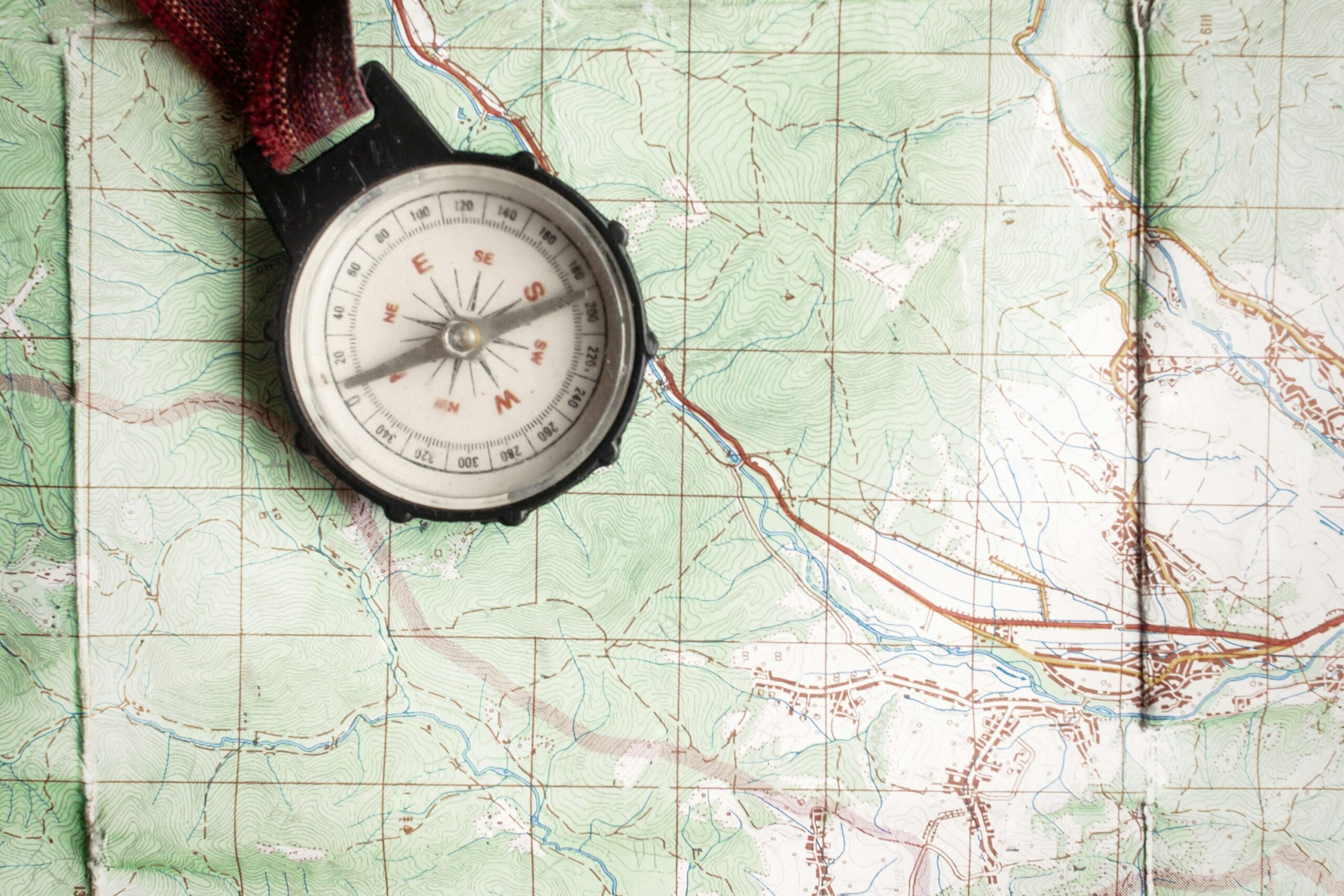
Modern explorers rely on more than instinct and traditional maps, and many turn to data and analytics to guide every outdoor journey. This growing integration of powerful digital tools transforms how hikers, cyclists, climbers, and travelers move through natural environments. As data and analytics become more advanced, outdoor navigation becomes safer, faster, and more accurate. Adventurers now use real-time insights, predictive tools, and intelligent mapping systems to understand landscapes with clarity and confidence. This shift marks a new era in which the focus keyword, outdoor navigation, supports stronger decision-making and unforgettable experiences.
The Growing Role of Data in Outdoor Navigation
Outdoor navigation improves dramatically when explorers use collected information. Modern apps gather data from satellites, sensors, weather feeds, and user activity to create clear guidance. Adventurers study terrain changes, elevation details, and environmental conditions before they begin a trip, and this preparation increases confidence on every route. They no longer rely only on static maps, because live data reveals shifting paths, blocked trails, and updated points of interest. This steady flow of information supports better choices and prevents unnecessary risks.
Analytics also provide personalized route suggestions that help adventurers find a trail that matches their skill level and goals. These platforms study activity patterns and recommend paths suited for experience, endurance, or preferred scenery. As a result, hikers and travelers feel more in control of their trips. The combination of data and analytics enhances outdoor navigation and clarifies routes that once felt uncertain or confusing.
How Predictive Analytics Support Safer Adventures
Predictive analytics changes the way explorers plan their outdoor experiences. Many navigation tools analyze past weather, seasonal shifts, and trail conditions to forecast potential challenges. This insight allows adventurers to adjust their plans with confidence. When a route shows high water risks or increased wildlife activity, the system alerts the user before they arrive. This forward-thinking approach builds safer habits and reduces surprises in unfamiliar terrain.
These tools also help identify the best times to start a journey. They analyze daylight hours, expected foot traffic, and energy levels based on previous trips. Travelers enjoy smoother experiences because predictive analytics offer guidance that feels personal and reliable. By supporting smarter choices, analytics improve overall safety and make outdoor navigation more enjoyable for everyone.
Real-Time Tracking Enhances Accuracy and Confidence
Real-time tracking enhances outdoor navigation by providing continuous location updates. Explorers understand exactly where they stand on a trail, even in dense forests, mountain regions, or long stretches without markers. This constant awareness reduces the fear of getting lost. Many platforms highlight nearby hazards, accessible exits, rest points, and upcoming terrain changes. With these insights, explorers adjust their pace and direction without stress.
Real-time tracking also builds stronger community support. Friends and family can follow an adventurer’s progress through shared maps, which increases safety during long or challenging trips. If an emergency occurs, rescue teams can quickly identify a location. By improving accuracy and communication, real-time tracking strengthens trust in digital tools and boosts confidence in outdoor navigation.
Intelligent Maps Bring Clarity to Complex Terrain
Traditional maps offer valuable guidance, but intelligent maps provide a deeper understanding of natural environments. These systems update continuously with new data from satellites, sensors, and user reports. When trails shift due to weather or land changes, intelligent maps adjust instantly. This flexibility makes navigation more reliable and reduces the chance of following outdated directions.
Intelligent maps also offer layered views that reveal vegetation density, soil conditions, temperature patterns, and wildlife movement. Adventurers explore with more awareness because they understand the environment around them. This added insight encourages better preparation and responsible exploration. With intelligent maps guiding each step, outdoor navigation becomes more accurate and meaningful.
Data-Driven Gear Improves Navigation Efficiency
Navigation no longer depends solely on mobile apps. Many wearable devices now collect and analyze data to assist with route decisions. Smartwatches track heart rate, altitude, movement patterns, and energy output. This information helps explorers understand their limits and choose adjustments that prevent exhaustion. Wearables send alerts when environmental risks increase, creating a layer of security that supports better decisions.
Some backpacks and clothing items also include integrated sensors. These sensors monitor temperature, hydration, and exposure levels. When adventurers receive this information in real time, they adjust their behavior and stay safe. Data-driven gear turns routine outdoor trips into informed adventures, enriching the entire outdoor navigation experience.
The Connection Between Big Data and Environmental Awareness
Data and analytics not only guide adventurers but also help protect natural spaces. As explorers move along trails, their devices gather data on foot traffic, erosion, air quality, and wildlife activity. Conservation groups study this data to manage resources and create sustainable strategies. This partnership between technology and environmental protection strengthens outdoor navigation by preserving the landscapes people love to explore.
Adventurers also gain a deeper appreciation for nature when they understand environmental patterns. Analytics highlight fragile ecosystems, seasonal changes, and sensitive species. With this knowledge, travelers follow Leave No Trace principles and make responsible decisions. Big data supports awareness and encourages respectful exploration.
How Analytics Improve Adventure Planning
Planning an outdoor trip becomes easier with analytics that organize essential details. Many platforms suggest packing lists, ideal weather windows, and rest intervals based on past trips. Adventurers enjoy smoother journeys because planning requires less guesswork. Strong preparation also reduces risks and boosts enjoyment throughout the experience.
Analytics also help estimate effort levels and trip duration with surprising accuracy. These systems rely on previous user data, elevation details, and predicted conditions. As a result, adventurers avoid overestimating or underestimating their abilities. With better planning supported by analytics, outdoor navigation becomes more reliable and rewarding.
The Future of Outdoor Navigation Through Advanced Technology
Technology grows rapidly, and outdoor navigation evolves with every innovation. Artificial intelligence, cognitive mapping, and advanced sensors improve the accuracy and detail of navigation tools. Future explorers may use voice-guided systems, interactive terrain visualizations, or wearable projections that highlight paths directly on the ground. These advancements create seamless connections between humans and nature.
As technology grows, the heart of navigation remains rooted in exploration, curiosity, and respect for the environment. Digital tools support those values by offering guidance that enriches experiences without reducing the spirit of adventure. With stronger data and analytics, outdoor navigation becomes more intuitive, safe, and inspiring.