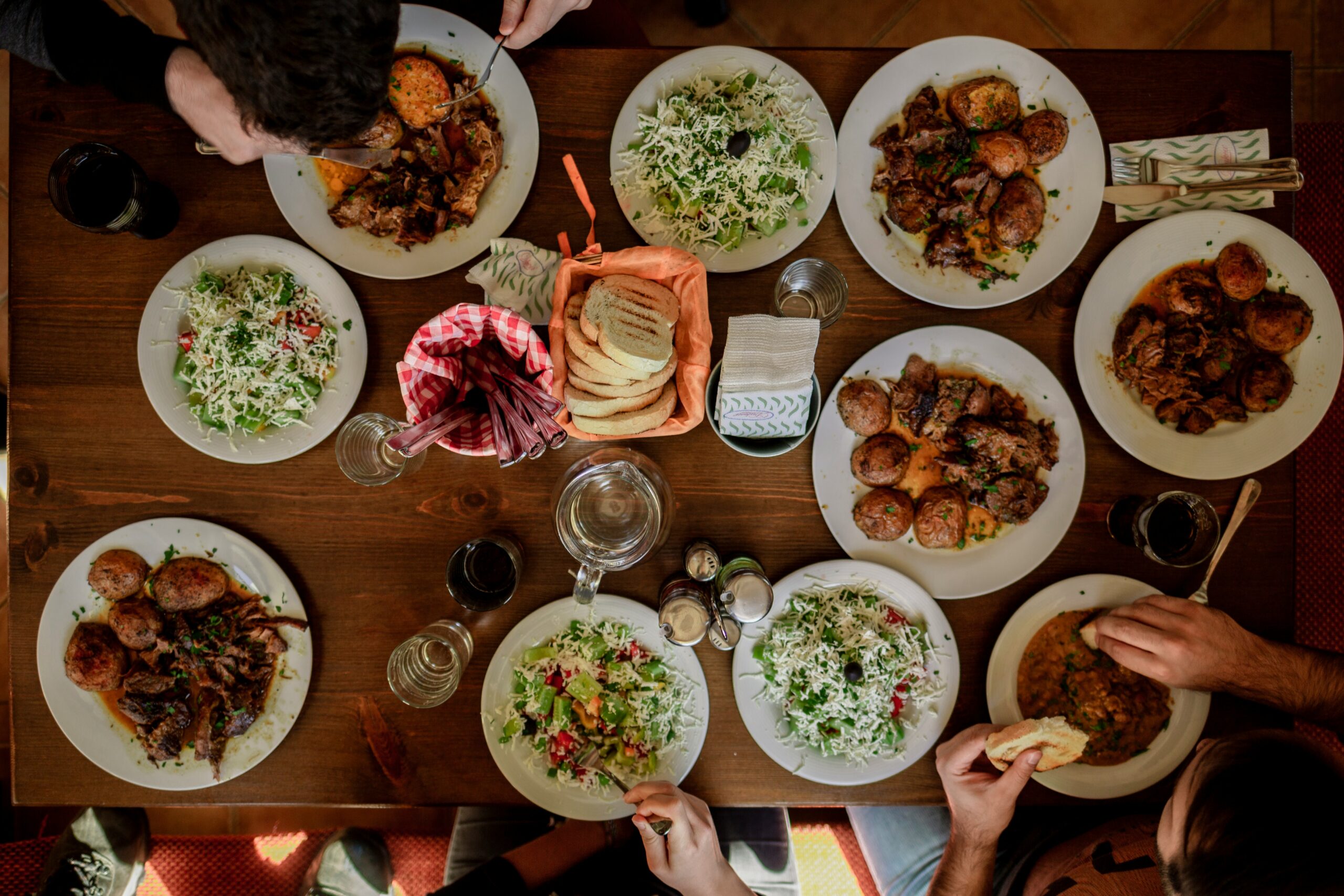
Travel offers countless ways to explore the world. However, few experiences connect travelers to local culture as deeply as food. When backpackers travel across Europe and Asia, they encounter a wide variety of traditional dishes that reflect history, geography, and community values. Every destination tells a story through its cuisine, and every meal provides an opportunity to learn something new.
Traditional dishes remain at the heart of cultural identity. While modern restaurants and global food trends continue to grow, local communities still preserve recipes that families have shared for generations. Therefore, travelers who seek authentic experiences often focus on regional foods and local dining traditions. As a result, food becomes much more than a daily necessity. It becomes a gateway to understanding the people and places that make each destination unique.
Why Traditional Dishes Matter During Travel
Food serves as a powerful cultural symbol. Traditional dishes reflect local ingredients, agricultural practices, and historical influences that have shaped communities over time. Consequently, travelers who explore local cuisine gain a deeper appreciation for regional traditions and lifestyles.
Moreover, traditional dishes often reveal details about a destination that visitors may overlook. A simple meal can tell stories about trade routes, climate conditions, family customs, and cultural celebrations. Therefore, food-focused travel creates a richer and more meaningful experience than sightseeing alone.
Backpackers especially benefit from exploring traditional dishes because local meals often provide both authenticity and affordability. Neighborhood restaurants, market stalls, and family-run cafés often offer the most authentic dining experiences. As a result, travelers can enjoy memorable meals while staying within their budgets.
Discovering Traditional Dishes Across Italy
Italy remains one of the most celebrated food destinations in Europe. Travelers often associate the country with pizza and pasta. However, regional cuisine varies significantly from one area to another. Therefore, backpackers can discover a wide range of traditional dishes throughout the country.
In Rome, travelers enjoy classic pasta dishes prepared with simple ingredients and strong flavors. Meanwhile, northern regions feature creamy risottos and hearty specialties that reflect local agricultural traditions. Coastal communities focus on seafood, while rural villages emphasize fresh vegetables and regional cheeses.
Furthermore, Italian food culture encourages slow dining and social connection. Families and friends gather around meals and celebrate food as part of everyday life. Consequently, backpackers often find that dining experiences are among the most memorable parts of their journey.
Exploring Spain Through Regional Cuisine
Spain offers another remarkable opportunity to experience traditional dishes. Each region presents unique flavors, ingredients, and culinary customs. Therefore, travelers can enjoy a diverse culinary experience as they move through different parts of the country.
Tapas culture plays an important role in Spanish dining traditions. Small plates encourage sharing and conversation, which helps visitors connect with local communities. Additionally, many regions specialize in seafood, cured meats, rice dishes, and seasonal ingredients.
Markets also play a central role in Spanish food culture. Travelers can explore local produce, fresh seafood, and traditional snacks while observing daily life. As a result, food markets provide valuable insight into both culinary traditions and community values.
Experiencing Traditional Dishes in Thailand
Thailand stands among Asia’s most popular food destinations. The country’s cuisine balances sweet, sour, salty, and spicy flavors in ways that create memorable dining experiences. Therefore, many backpackers consider Thailand a highlight of their culinary journeys.
Street food forms an essential part of Thai culture. Vendors prepare meals using fresh ingredients and traditional recipes that have remained popular for generations. Moreover, local markets offer countless opportunities to sample authentic dishes at affordable prices.
Beyond the food itself, Thailand’s dining culture reflects hospitality and community spirit. Meals often bring people together, and food remains deeply connected to everyday life. Consequently, travelers gain a better understanding of local culture through each culinary experience.
Vietnam and the Art of Simple Flavors
Vietnamese cuisine demonstrates how simple ingredients can create extraordinary flavors. Fresh herbs, vegetables, rice noodles, and carefully balanced seasonings define many traditional dishes. Therefore, Vietnam attracts travelers who appreciate fresh and flavorful food.
Street food culture thrives throughout the country. Travelers can enjoy meals prepared directly in front of them while experiencing the energy of local neighborhoods. Additionally, many recipes highlight regional ingredients and cooking methods that reflect centuries of culinary tradition.
Food markets offer another important aspect of Vietnamese culture. These bustling spaces connect farmers, vendors, and consumers while preserving traditional food practices. As a result, markets provide both culinary and cultural experiences for curious travelers.
Japan’s Dedication to Culinary Tradition
Japan combines deep respect for tradition with remarkable attention to detail. Traditional dishes often emphasize seasonal ingredients, careful preparation, and balanced flavors. Therefore, dining becomes an experience that reflects cultural values as much as culinary skill.
Regional specialties vary across the country. Coastal communities focus on seafood, while other areas celebrate noodles, rice dishes, and local ingredients. Furthermore, many traditional recipes continue to play important roles in family gatherings and cultural celebrations.
Travelers who explore Japan through food often discover a strong connection between cuisine and heritage. As a result, meals become opportunities to learn about craftsmanship, history, and community traditions.
The Importance of Local Markets
Local markets remain essential destinations for backpackers seeking traditional dishes. These markets showcase fresh ingredients, regional specialties, and everyday food culture. Therefore, they provide valuable insight into the culinary identity of each destination.
Market visits also encourage interaction with local vendors and producers. Travelers can ask questions, learn about ingredients, and discover foods that rarely appear in guidebooks. Consequently, markets often reveal hidden culinary gems that create lasting memories.
In addition, markets support local economies and preserve traditional food practices. Travelers who shop and eat in these spaces contribute directly to community businesses. As a result, market visits benefit both visitors and residents.