Water sports offer an exhilarating escape into nature and adventure. Whether you’re gliding across a calm lake or slicing through ocean waves, water-based activities bring joy, excitement, and a powerful sense of freedom. From water skiing to boating, the possibilities are endless, and the memories created on the water last forever. This guide explores the thrilling aspects of water sports adventures while focusing on safety, skill development, and maximum enjoyment.
Water Skiing: A Thrill Like No Other
Water skiing continues to captivate outdoor enthusiasts with its mix of adrenaline and grace. This sport blends balance, strength, and coordination in a way that both challenges and entertains. Beginners often start with a deep-water start, keeping knees bent and arms straight as they rise from the surface. With some practice and guidance, skiing across the wake becomes a rewarding goal.
One reason water skiing remains popular is its ability to offer different styles. Slalom skiing uses a single ski and tests maneuverability, while trick skiing allows for impressive flips and spins. For those who prefer jumping, ramp skiing delivers a competitive and exciting edge. Regardless of the type, water skiing brings unmatched fun on the water.
Boating: More Than Just a Ride
Boating goes beyond simply traveling across the water. It offers connection, exploration, and relaxation. Whether you’re steering a speedboat or cruising in a pontoon, boating creates space for laughter, conversation, and shared experiences. Lakes, rivers, and coastal waters provide diverse settings for all kinds of aquatic journeys.
Safety remains vital in any boating experience. Wearing life jackets, checking weather forecasts, and maintaining equipment are key practices. A well-prepared boater ensures that the adventure stays fun and worry-free. Plus, understanding basic navigation and signaling helps prevent accidents while keeping everyone on board confident and informed.
Fun Beyond the Basics
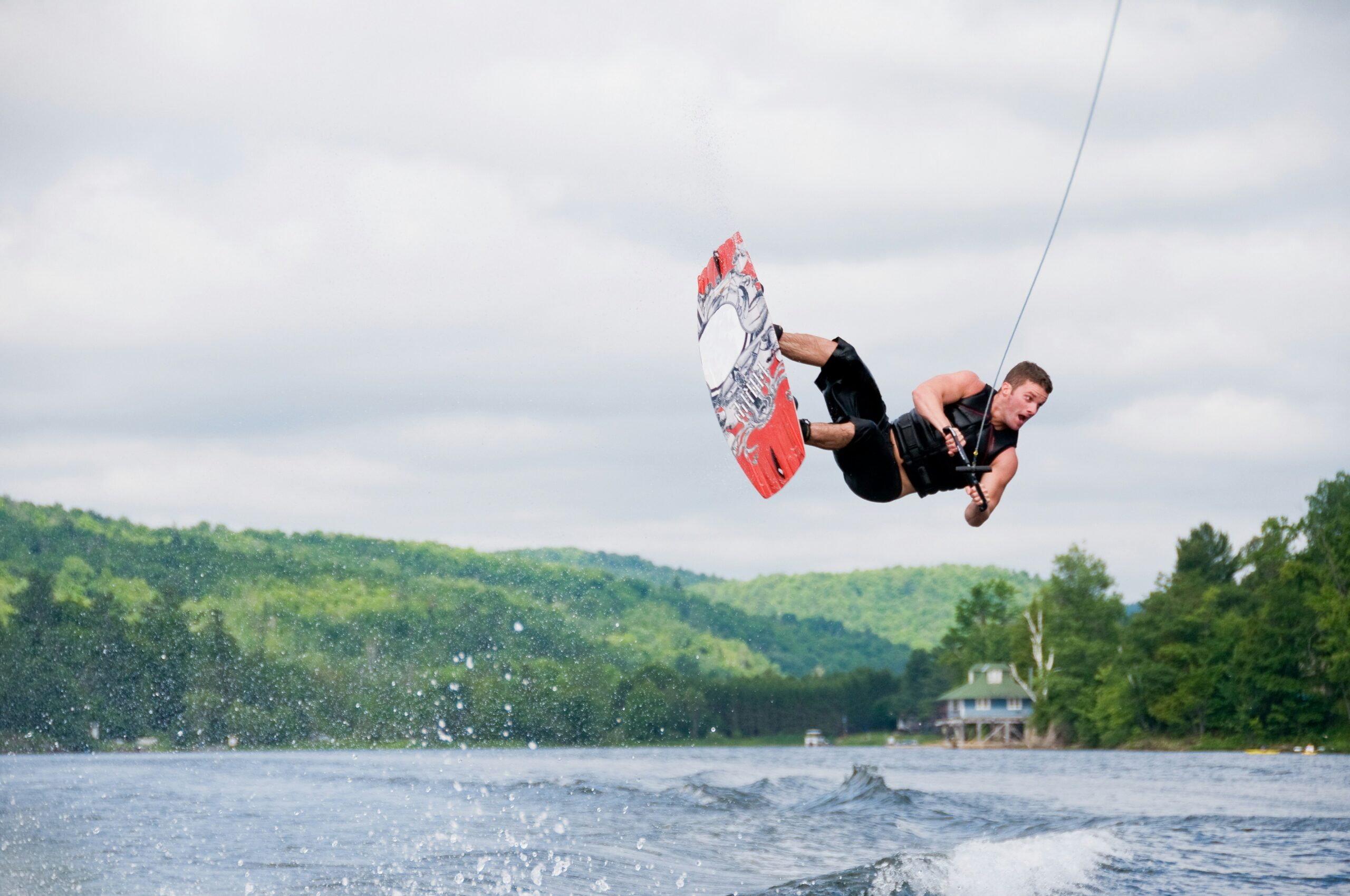
Once you’re comfortable skiing and boating, the world of water sports expands even further. Wakeboarding, for example, combines elements of surfing and snowboarding. Riders perform stunts on a board while being towed behind a boat. Its playful nature appeals to thrill seekers and casual adventurers alike.
Tubing provides a laid-back option. Floating across the surface in an inflatable tube, participants feel the wind and water in the most carefree way. It’s perfect for families, especially those with younger children. Everyone gets a chance to enjoy the water together.
Kneeboarding adds another twist, offering more stability for beginners but still delivering high-speed fun. Each sport introduces a new layer of excitement, making water sports adventures rich and varied.
The Importance of Safety and Preparation
While the fun on the water takes center stage, safety ensures that joy isn’t interrupted. Staying alert and informed creates a secure environment for every participant. Life jackets should fit properly, and everyone should know how to use them. Equipment must be checked regularly, from ski bindings to boat engines, to prevent surprises on the water.
Weather awareness also plays a role in planning a safe outing. Clear skies might seem ideal, but changing conditions can pose unexpected risks. Tools like weather radios and apps provide real-time updates, enabling quick decisions on whether to continue or return to shore.
Taking lessons from certified instructors offers another level of preparation. Professional guidance builds skills and fosters confidence. Many schools offer courses tailored to beginners, intermediate learners, and even advanced enthusiasts, ensuring that every experience is both educational and enjoyable.
Water Sports for All Ages and Skill Levels
Water sports adventures suit people of all ages and backgrounds. Children enjoy tubing and paddleboarding, gaining early comfort with aquatic environments. Teens often embrace wakeboarding and jet skiing, drawn to the excitement and social interaction. Adults may gravitate toward water skiing or leisurely boat cruises, balancing thrills with relaxation. Seniors, too, enjoy kayaking and fishing, appreciating calm, scenic routes.
No matter the age group, the accessibility of water sports ensures everyone finds their niche. Adaptive equipment and inclusive instruction have opened the door for participants with disabilities, emphasizing that fun on the water truly belongs to all.
Ideal Locations for Your Next Adventure
Choosing the correct location elevates the entire experience. Lakes offer calm waters, perfect for beginners and families. Popular lakeside destinations often have rental shops, instructors, and guided tours. Oceans and bays, with their rolling waves and open space, attract surfers, jet skiers, and advanced boaters. For a quieter escape, rivers and inlets provide a peaceful setting, ideal for kayaking or canoeing.
Vacation spots known for water activities include places like Lake Tahoe, the Florida Keys, and coastal Maine. Each region brings unique scenery and a variety of sports. Planning a trip around water sports can turn an ordinary getaway into a vibrant adventure.
Capturing the Memories
With each splash and cheer, water sports create unforgettable moments. Capturing these memories through photography or video keeps the fun alive long after the day ends. Waterproof cameras and drones help document jumps, spins, and smiles from every angle. Families and friends can revisit their adventures, share them online, and plan for the next outing.
Storytelling also becomes part of the experience. Conversations around campfires or dinner tables often return to that perfect ski run or that surprising wave. These tales strengthen the bond among participants and inspire others to join in next time.
Environmental Responsibility on the Water
Enjoying the water comes with the responsibility to protect it. Boaters and skiers can make eco-friendly choices, such as using biodegradable products and avoiding fuel spills. Respecting wildlife and natural habitats ensures that lakes and oceans remain pristine for future generations.
Avoiding overcrowded areas and reducing noise pollution helps maintain a peaceful balance with nature. Participating in local clean-up efforts and supporting conservation initiatives also shows gratitude for the environment that enables water sports.
Make Water Sports Part of Your Lifestyle
Incorporating water sports into your routine fosters both physical health and mental well-being. Activities like skiing and wakeboarding build core strength, balance, and cardiovascular endurance. Even casual outings on a boat or paddleboard can reduce stress and improve mood.
The social benefits add even more value. Sharing the water with others strengthens relationships and builds community. From group outings to solo reflections on the waves, water sports enrich life in countless ways. They provide a sense of freedom, a dose of adventure, and a connection to the natural world that’s hard to find elsewhere.